The financing decision becomes clearer after the repair is defined. A vague project estimate can lead to borrowing too little, financing optional work or accepting a loan before you understand who will perform the job. Start with the condition that needs fixing and the costs required to fix it.
Separate urgent protection from the full project
A leak may need prompt professional attention to prevent further damage, while the eventual replacement has a longer planning window. Ask qualified providers to distinguish immediate protective work from the complete repair. Do not delay an active safety problem merely to finish a loan comparison.
Describe the required outcome in writing. Replacing a failed component is different from upgrading the entire room. If an estimate combines both, ask for separate pricing so you can choose the scope deliberately.
Check relevant insurance or warranty processes before assuming the entire bill must be financed. Coverage, deductibles, approvals and reimbursement timing vary. An expected reimbursement is not cash available today until its amount and timing are established.
Make estimates comparable
Request written descriptions of materials, labor, disposal, permits, start date and expected completion. Ask what is excluded and how hidden damage or scope changes will be priced. A low estimate may simply omit work included elsewhere.
The FTC's home-improvement guidance advises checking contractors and reviewing written terms. Verify applicable licensing through the relevant state or local authority and ask about insurance, rather than relying on a badge in an advertisement.
Keep conversations attached to the estimate. If a contractor says a fee is included, have that reflected in writing. Avoid signing blank documents or accepting an explanation that important terms can be filled in later.
Build a dated cash requirement
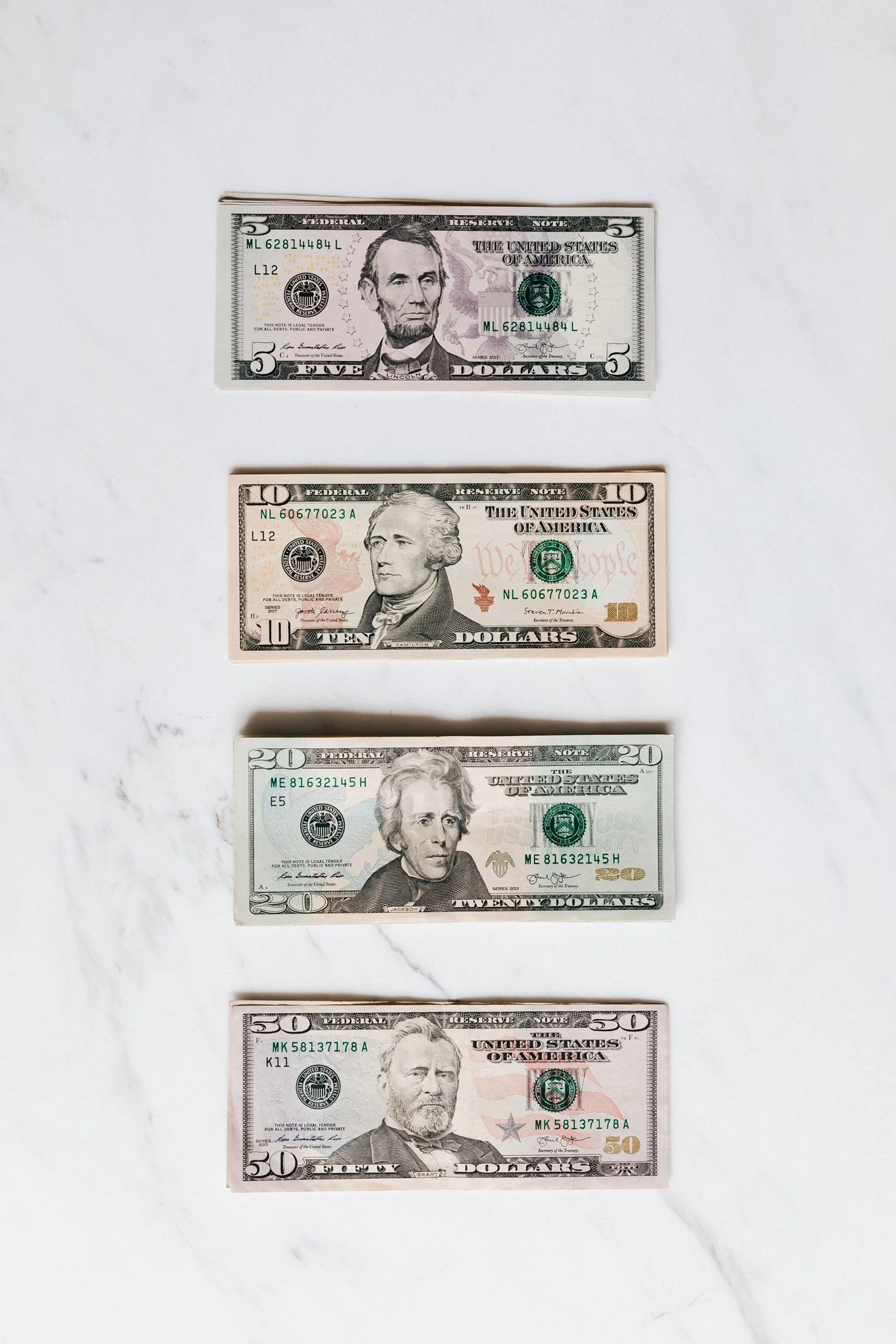
Suppose a hypothetical repair is priced at $5,400, with $1,200 due at an agreed initial milestone, $2,400 at a later work stage and $1,800 after completion. Those amounts total $5,400, but the timing matters for any funding method.
Confirm that the payment schedule is appropriate and allowed where you live. Do not assume the example is a recommended deposit arrangement. Requirements and protections differ, and paying a large amount before work is complete creates its own risk.
If you have $1,000 saved specifically for the repair, identify which milestone it funds. If a lender deducts an origination fee, check whether net proceeds cover the remaining $4,400. Keep a contingency only for a described uncertainty, with a realistic estimate, rather than automatically financing an arbitrary percentage.
Review contractor-arranged financing separately
Convenient financing can still have a different lender, security agreement or payment schedule from the repair contract. Identify who receives the funds and when. Ask whether the contractor is paid before completion and what happens if the work is disputed or unfinished.
Compare another financing offer where feasible. Record APR, fees, total payments, any promotional end date and whether the home is collateral. A contractor's reputation for doing repairs does not establish that a particular credit agreement fits your budget.
Also ask how project cancellation or a smaller final invoice affects the loan. Do not assume canceling the work automatically cancels a separately signed financing contract. Get written procedures for refunds and principal credits.
Keep evidence through completion
Save the scope, changes, invoices, payment confirmations and relevant photographs of progress. Verify work and resolve outstanding items under the contract before making the final payment. Obtain receipts and any required release documents appropriate to the project and local rules.
After funding, check the first loan statement even if the repair has not finished. Loan payments may begin independently of project completion. A delay in construction does not automatically suspend the credit obligation.
When the final cost is known, compare it with the borrowed amount. If money remains, check the loan's early-payment terms and allocation instructions. Closing the project with a reconciled cost record helps prevent unused repair money from becoming an unrelated purchase that stays in the loan for years.