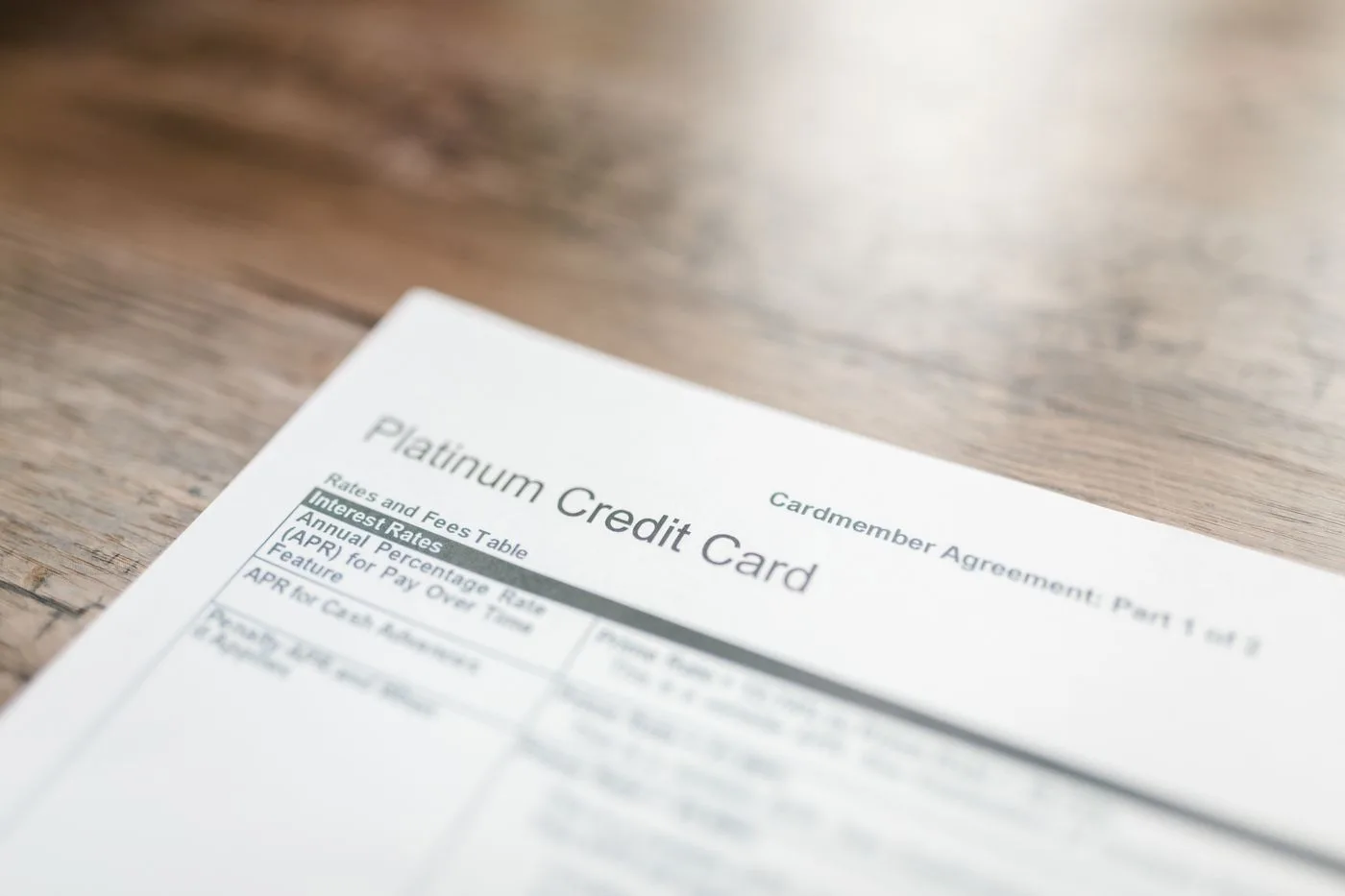
An interest-only payment covers interest for the period without reducing principal. It can create a smaller initial bill than a payment that also repays the borrowed money, but the principal obligation remains.
Separate paying the charge from repaying the loan
Imagine a hypothetical $18,000 balance at a fixed 8% annual rate. In a simplified monthly model, interest alone is $120. Paying $120 each month for a year sends $1,440 to the lender while leaving the $18,000 principal unchanged, assuming no fees or balance adjustments.
This is not the same as missing a required payment if interest-only payments are what the agreement permits. It is a repayment structure that postpones principal reduction. The CFPB's interest-only loan explanation discusses that structure in mortgages.
Find the transition
The agreement might require principal and interest installments after the initial period, a large final payment, or another stated arrangement. Ask for the date of transition and the new payment schedule. If the rate is variable, request an explanation of how both the rate and principal repayment affect the later payment.
Do not estimate the later installment merely by adding a small percentage to today's bill. Principal may need to be repaid over a shorter remaining period. An amortization calculation using the outstanding balance, applicable rate and remaining months is necessary.
Give principal a practical plan
If voluntary principal payments are allowed, verify how to make them and whether they change the future installment or only the remaining balance. Maintain the required interest payment while following the agreed allocation instructions.
If the plan is to sell or refinance, test a case where the sale proceeds are lower or approval is unavailable. Those future transactions are not guaranteed by the interest-only feature.
Before accepting the structure, place the later payment into today's household budget. If it fits only after an uncertain raise or a hoped-for sale, record that dependence explicitly. The initial affordability should be evaluated together with the obligation that follows.