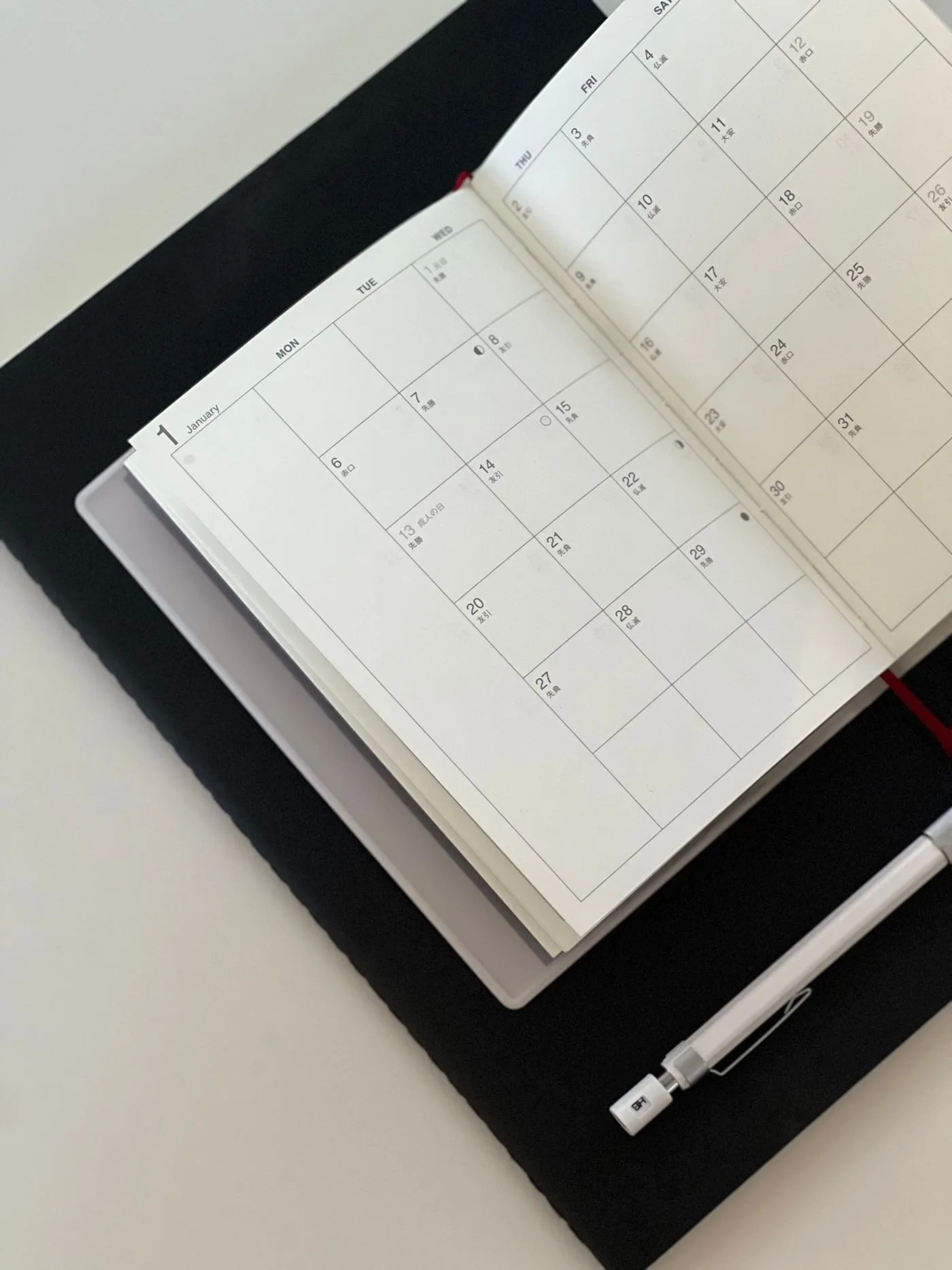
Autopay removes the need to remember every transfer, but it does not verify your available balance or explain a changed bill. A brief review before and after the debit can catch problems while there is still time to address them. Think of automation as a payment method with a monitoring routine attached.
Check the upcoming amount, not just the usual amount
Look at the next scheduled withdrawal and the statement. A variable rate, a fee, a changed payment arrangement or a final installment can make the amount different from the previous month. If the number is unfamiliar, identify the reason before relying on last month's budget.
A hypothetical household expects a $310 loan debit but has moved another $95 bill to the same week. The loan payment has not changed, yet the bank balance available for it has. Compare the debit against the complete calendar, including pending card transactions and checks, rather than the balance shown at one moment.
Understand which instruction is in control
Some payments are pulled by the loan servicer under an authorization. Others are sent by a bank's bill-pay system. Record which arrangement you use and where changes must be made. Updating an address or replacing a debit card does not necessarily update a bank-account authorization.
The CFPB's automatic-payment explanation describes the authorization and account-balance considerations. If you cancel an automatic debit, the loan obligation remains. Arrange an appropriate replacement payment method rather than treating cancellation as cancellation of the debt.
Check both sides of the transaction
After the scheduled date, confirm the payment posted to the correct loan and that the bank did not return it. A debit can appear temporarily before a return is processed. Keep account alerts useful by choosing notifications for failed payments or unexpected changes, rather than relying on a flood of general messages.
If you make an additional manual payment, check whether autopay will still collect its full scheduled amount. Do not assume the system automatically nets one against the other. The answer may depend on when the manual payment posts and how the servicer runs its debit file.
Your monthly record only needs a few lines: expected amount, scheduled date, actual debit and posted status. Review the authorization again when changing banks, entering hardship assistance or approaching payoff. These transitions are when an otherwise routine setup is most likely to need attention.