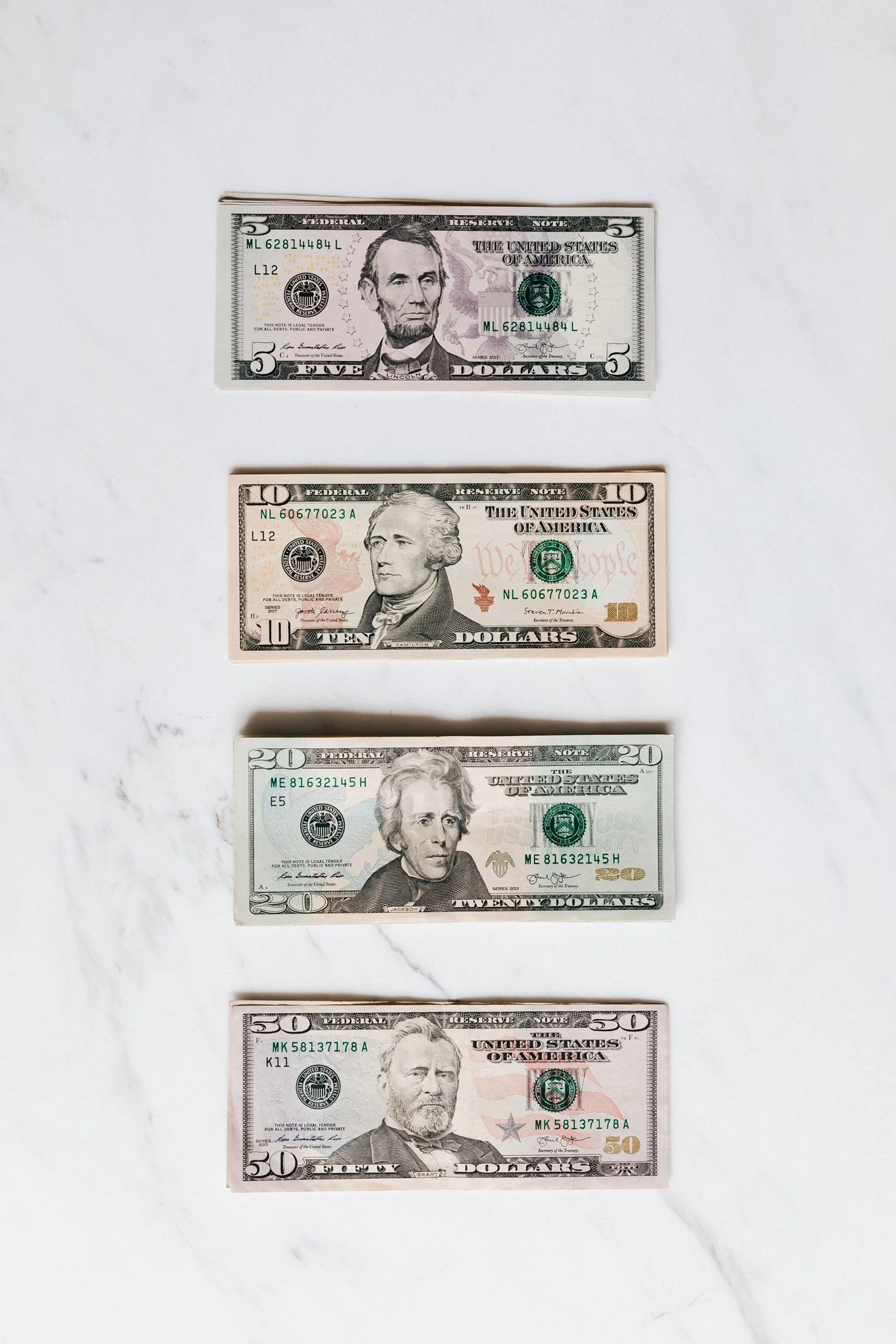
Being paid twice a month makes a monthly budget easier to divide, but the two halves are rarely identical. Rent may fall early, insurance late, and groceries throughout. Assigning bills to specific paychecks helps prevent an apparently healthy balance from being spent twice.
Confirm the actual payroll pattern
Semimonthly pay means two paydays each month, often on set dates. Biweekly pay means every two weeks and generally creates 26 paychecks in a year. These schedules are not interchangeable. Check how weekends and holidays affect deposit dates at your employer.
Start the calendar with the deposit date you can reasonably rely on. A pending payment is different from money available to use. The CFPB's cash-flow toolkit includes resources for organizing income and bill timing.
Allocate the first paycheck before spending it
In a hypothetical example, take-home pay is $1,600 on the 1st and $1,600 on the 15th. Bills before the 15th total $1,350. That leaves $250 from the first deposit, but some may need to fund food and transport until the next payday.
If a new $180 loan payment also falls on the 10th, only $70 remains before those everyday costs. The monthly total may still look adequate because later bills are smaller, yet the early half is too tight. Carrying a reserve from the previous month's second paycheck can solve a timing issue if the annual budget genuinely balances.
Label retained money
Use a note, budgeting category or separate account where appropriate to mark funds reserved for upcoming bills. Keep account fees and transfer delays in mind before opening anything new. The important feature is clear tracking, not the number of accounts.
Record the reserved amount after each payday and subtract it from what is available for flexible spending. Include automatic withdrawals and transactions that have not posted. A displayed bank balance alone does not tell you what is uncommitted.
Review the calendar when a bill changes
Check a loan's first due date before funding. If it falls in the crowded half, ask whether another date is available and whether changing it affects interest. Follow the existing date until a revision is confirmed.
At month-end, compare planned and actual balances just before each payday. Repeatedly borrowing from the next check can indicate an amount problem, not merely a calendar problem. Adjust the proposed payment or purchase if the plan works only by assuming unusually low everyday spending.